
Power Readiness for Homes and Businesses: A Practical Guide to Generator Service, Repair, and Installation
When outages hit, a well-planned standby system keeps daily life and operations steady. From choosing the right equipment to maintaining it through the seasons, attention to detail makes the difference between a smooth switchover and a stressful scramble. The following guide outlines practical considerations for Generator Sales, Service, Repair & Installation, with a focus on safe practices, code awareness, and long-term reliability.
1. Assess power needs with a load-focused plan
Start by listing essential circuits and appliances, noting starting and running wattage. Consider HVAC, sump pumps, refrigeration, medical devices, and business-critical electronics. A clear baseline helps match capacity to real demand and guides decisions about transfer switch sizing, load shedding, and future growth.
2. Understand site conditions and placement
Location matters for ventilation, service access, and compliance. Choose a stable, level surface with proper clearances, away from windows and doors to reduce exhaust risks. Think about snow drift lines, prevailing winds, and drainage. For coastal or flood-prone areas, plan elevation or protective enclosures that meet local requirements.
3. Prioritize safe, code-compliant installation
A correct transfer mechanism protects both occupants and utility workers. Automatic transfer switches support seamless transitions and reduce human error. All wiring, grounding, bonding, and overcurrent protection should meet local and national codes. Clear labeling at panels and the exterior service point supports safe maintenance and faster troubleshooting.
4. Weigh fuel options with service access in mind
Natural gas provides convenience when utility service is reliable. Propane offers flexible siting and storage sizing. Diesel may suit certain commercial applications where on-site reserves are preferred. Factor in delivery access, storage compliance, environmental conditions, and runtime expectations. Regular testing under load confirms fuel health and system readiness.
5. Make maintenance part of the plan
Consistent Service and Repair habits extend lifespan and reliability. Oil and filter changes, battery testing, coolant checks, and air filter inspections should occur on a set schedule. Exercise runs help lubricate internal components, circulate fuel, and reveal performance issues early. Keep a maintenance log to track intervals, parts, and observed conditions.
6. Focus on safety and ventilation
Carbon monoxide is odorless and dangerous. Proper exhaust routing, safe clearances, and outdoor placement are essential. Install CO detectors on each floor, and ensure windows near the unit remain closed during operation. Train household members or staff on startup behavior, shutoff procedures, and alarm responses to keep everyone safe.
7. Prepare for storms with a readiness checklist
Before severe weather, confirm fuel levels, clear snow or debris from around the unit, test the transfer switch, and back up critical data. Surge protection at the service entrance and at sensitive devices adds another layer of defense. Keep spare filters and fuses accessible, and store essential tools in a dry, easy-to-reach location.
8. Consider lifecycle value, not just purchase cost
Total ownership includes installation, fuel, service intervals, parts availability, and support response times. For many homeowners and businesses, the most valuable system is the one that starts reliably, runs steadily, and can be maintained efficiently year after year. Transparent planning during Generator Sales helps align expectations with performance.
9. Plan for accessibility and noise considerations
Adequate working clearance simplifies Inspection, Service, and Repair. Sound attenuation strategies—such as proper siting, compliant enclosures, and vibration isolation—help keep neighbors comfortable and maintain local harmony. Regularly check mounts and hardware to limit resonance and wear.
10. Align with local needs, permitting, and utility coordination
Every jurisdiction has its process. Early coordination with permitting offices and utility providers streamlines timelines and prevents rework. Clear documentation, compliant drawings, and scheduled inspections make installation smoother and support long-term safety.
Reliable backup power begins with careful evaluation and follows through with conscientious upkeep. Communities that experience frequent weather swings or grid fluctuations benefit from planning that blends practicality with safety. For homeowners and facility managers comparing options, attention to details like siting, ventilation, load management, and maintenance routines pays off when the lights go out—and that’s why so many projects in the area consider solutions designed for the demands of everyday life, like western nassau county generator installs.
Reliable power planning: a practical guide to western Nassau County generator maintenance
Power interruptions can disrupt routines at home and operations in small businesses. A proactive plan keeps systems running, extends equipment life, and minimizes downtime when storms, grid upgrades, or unexpected failures occur. A practical approach starts with routine care, timely fixes, and smart upgrades that match local conditions, fuel types, and usage patterns. The following guide outlines key steps for building a sustainable strategy around generator care, with a focus on the value of western nassau county generator maintenance.
1. Prioritize preventive maintenance over reactive fixes
A generator that receives regular inspections and tune-ups performs more reliably than one that is ignored until a failure. Establish a schedule that includes oil and filter changes, coolant checks, battery testing, and load exercises. This steady cadence identifies small issues before they become larger problems, allows for planned downtime, and helps ensure power is ready when needed most.
2. Match equipment to your load profile
Right-sizing matters for both performance and longevity. Review what you need to power during an outage, from essential appliances to heating and cooling systems. When selecting a unit through Generator Sales, evaluate fuel availability, noise requirements, and emission considerations. If you already have a unit but your needs have changed, consider an assessment to determine whether upgrades or a new Installation would better support your current load.
3. Build a documented service history
Consistency fuels reliability. Keep records of all Service, Repair, and Installation details, including dates, parts used, and test results. A documented log supports warranty claims, informs future troubleshooting, and provides a clear timeline for component replacement. It also helps a technician quickly understand previous work and make precise recommendations.
4. Test under load, not just at idle
A weekly or biweekly exercise cycle is useful, but testing with actual load reveals real performance. A managed load test verifies fuel delivery, temperature regulation, and voltage stability. It also helps circulate fluids, prevents moisture buildup, and ensures that automatic transfer switches engage as intended. Schedule these tests as part of ongoing *western nassau county generator maintenance for a more accurate picture of system readiness.
5. Inspect fuel systems and air pathways
Fuel quality and airflow directly impact efficiency. Check for fuel degradation, sediment, or water contamination in storage. Replace filters on schedule and confirm that vents and intake areas remain unobstructed. For gaseous-fueled units, review regulators and connections for wear or leaks. Consistent airflow and clean fuel support steady starts, smoother runs, and lower emissions during extended outages.
6. Calibrate controls and monitor alerts
Modern controllers provide valuable diagnostics. Ensure firmware and settings are current, verify start delays and safety thresholds, and confirm that alert notifications are properly routed. Remote monitoring can flag low battery voltage, coolant temperature concerns, or missed exercise cycles. Calibrated controls give you time to respond before a minor alert becomes a shutdown.
7. Prepare for seasonal shifts
Local weather patterns influence maintenance needs. Before hurricane season, confirm transfer switch operation, tighten electrical connections, and refresh consumables. Ahead of winter, test cold-start performance, inspect block heaters, and check enclosures for drafts or corrosion. Seasonal readiness reduces surprises when demand spikes.
8. Plan for parts and consumables
Keep a small inventory of essentials like oil, filters, spark plugs (if applicable), coolant, and fuses. Having the right items on hand shortens downtime and allows routine Service to proceed on schedule. For older units, identify any components nearing end-of-life and arrange Replacement before they become scarce.
9. Address small symptoms quickly
Minor signs—hard starts, rough running, brief voltage dips, or unusual sounds—often precede larger failures. Timely Repair prevents cascading wear on engines, alternators, and electronics. Quick action also protects connected equipment from unstable power conditions that can cause premature aging or data loss.
10. Align installation details with long-term care
Proper Installation lays the foundation for easier maintenance. Ensure clearances around the enclosure, correct pad height for drainage, and accessible service panels. Label circuits in the transfer switch and provide a clean pathway for fuel and electrical conduits. Thoughtful placement and labeling save time and reduce errors during future Service or Repair.
A dependable generator strategy blends careful selection through Generator Sales, precise Installation, scheduled Service, and prompt Repair when performance changes. By building habits around inspection, testing, documentation, and seasonal preparation—anchored by consistent western nassau county generator maintenance—homes and businesses can face outages with confidence, knowing their power plan is ready when the grid isn’t.
Generators That Go The Distance: A Practical Guide for Reliable Power on Long Island
Why Standby Power Matters Year-Round
Power interruptions can strike during summer heat waves, winter nor’easters, and everything in between. A well-chosen standby system keeps essential circuits alive, protects sensitive electronics, and maintains safety equipment like sump pumps. For homes and businesses across Long Island, planning ahead with the right capacity, fuel source, and maintenance routine turns a stressful outage into a manageable event.
Sizing and Load Planning Made Simple
To avoid overloads and nuisance trips, start by mapping out your must-run circuits. Consider refrigeration, heating or cooling equipment, medical devices, point-of-sale systems, and communications. Then evaluate starting watt requirements, not just running wattage, since HVAC and well pumps can demand a higher surge on startup. A thoughtful design balances desired coverage with efficient, cost-conscious operation.
Fuel Options and Runtime
- Natural gas: Continuous fuel supply with utility connection and low on-site storage concerns.
- Propane: Reliable for properties without gas lines; requires tank sizing for targeted runtime.
- Diesel: Strong torque and performance for heavy commercial loads; plan for fuel quality management.
For each fuel, discuss availability during a regional event, delivery logistics, and safety considerations. An informed choice helps ensure your generator runs as long as needed without unnecessary interruptions.
Installation Essentials
A safe, code-compliant installation is the foundation of reliability. Consider the following:
1) Site selection and airflow: Maintain proper clearances around louvers and exhaust. Keep away from windows and air intakes, and elevate in flood-prone zones.
2) Transfer switch selection: Choose between automatic transfer switches for seamless transitions and manual options for budget-conscious setups that still meet safety standards.
3) Load shedding and power management: Smart modules allow lighter systems to handle short surges by sequencing high-draw appliances.
4) Electrical integration: Confirm proper grounding, conductor sizing, and labeling so future service is straightforward and safe.
5) Startup and commissioning: A thorough test under load verifies voltage, frequency, and transfer timing work together as intended.
Maintenance That Prevents Surprises
Routine care keeps equipment healthy and ready. A basic schedule often includes:
- Regular exercise runs to circulate oil and charge the battery
- Visual inspections for leaks, corrosion, and loose connections
- Air filter, oil, and plug replacements in alignment with manufacturer intervals
- Battery testing and fuel system checks to confirm dependable starts
- Firmware and controller reviews for up-to-date performance
Document all service visits and parts changes so trends are easy to spot and resolve before they become costly downtime.
Common Warning Signs You Shouldn’t Ignore
1) Slow cranking or repeated start failures
2) Unusual noises or vibration during operation
3) Visible smoke, fuel odors, or fluid pools around the pad
4) Frequent transfer faults or nuisance trips
5) Alarms on the controller that persist after a reset
Addressing these promptly limits wear, protects components, and helps maintain safe operation in the next outage.
Planning for Business Continuity
For commercial sites, every minute of downtime can impact revenue and customer trust. Build a continuity checklist:
- Identify critical circuits (lighting, HVAC, security, data, POS)
- Confirm run-time expectations with fuel storage or supply
- Establish after-hours response and vendor contact protocols
- Schedule load-bank testing to validate performance under real demand
- Keep spare consumables and filters on hand
Numbered List: Services That Keep Power Ready
1) Generator Sales: Guidance on capacity, fuel, and features that align with your property’s needs.
2) Generator Installation: Site prep, transfer switch placement, and safe integration with electrical systems.
3) Generator Service: Scheduled maintenance programs to keep performance consistent all year.
4) Generator Repair: Diagnostics and parts replacement to restore performance when issues arise.
Seasonal Prep and Local Conditions
Coastal weather calls for extra attention to salt air corrosion, snow drift placement, and storm debris. Before peak seasons, review pad drainage, enclosure seals, and battery health. Test operation under load, confirm fuel plans, and update emergency contacts. A little planning goes a long way in keeping homes and businesses comfortable and operational.
Unnumbered List: Quick Readiness Tips
- Keep the area around the enclosure clear
- Store maintenance records and manuals in a dry, accessible location
- Exercise the unit on a consistent schedule
- Verify alarms and remote monitoring alerts are active
- Revisit load priorities as your needs change
Powering Through Outages: Trends Shaping Standby Generators and Local Service
The Evolving Landscape of Residential and Commercial Standby Power
A growing focus on preparedness has reshaped how homeowners and businesses think about electricity. Standby generators are no longer considered luxury items; they are practical safeguards for critical systems, home comfort, and business continuity. From cleaner technologies to smarter controls, the industry continues to innovate while emphasizing sound installation, maintenance, and local expertise. In many communities, residents rely on prompt Deer Park generator service to keep systems reliable year-round.
Rising Demand for Resilience
Across neighborhoods and commercial districts, the conversation has shifted to sustained operations during extended outages. Priorities include protecting refrigeration, HVAC, medical devices, security systems, point-of-sale equipment, and remote work infrastructure. Well-designed standby solutions focus on automatic transfer, balanced load management, and right-sized capacity. The goal is simple: keep essential circuits powered safely and efficiently without over-specifying equipment or overlooking installation details that affect performance.
Fuel and Technology Considerations
Modern generators span a range of fuels, including natural gas and propane, each offering advantages based on availability, storage, and regional preferences. Advances in engine efficiency and controller design help reduce noise and improve runtime. Smart controllers can integrate with load-shedding modules, allowing more circuits to be powered sequentially while maintaining system stability. Remote monitoring is another practical development, giving owners and service providers real-time insight into alerts, exercise cycles, and run history. These technologies support proactive care and faster troubleshooting when conditions change.
Placement, Permitting, and Safety
Proper siting and compliance are pivotal. Clearances from structures, openings, and vegetation help ensure adequate airflow and safe exhaust dispersal. Code-compliant gas piping, electrical interconnections, grounding, and transfer equipment are critical to both performance and safety. Local permitting and inspections verify the work meets standards and aligns with community guidelines. Attention to these fundamentals helps extend equipment life and reduces the likelihood of nuisance shutdowns or unsafe conditions during severe weather.
Maintenance Best Practices
Routine care keeps a generator ready when it matters. Preventive schedules should align with manufacturer guidance and local environmental conditions. A practical plan focuses on inspection, testing, and timely replacement of consumables before they fail.
1) Run periodic exercise cycles to confirm start-up, transfer function, and stable operation under load.
2) Inspect air filters, spark plugs, and wiring for wear, corrosion, or pest intrusion; replace parts as needed.
3) Check oil levels and coolant condition, following recommended intervals for changes and flushes.
4) Verify fuel quality and supply; for propane, confirm tank levels and regulators are functioning properly.
5) Test battery voltage and connections to ensure reliable cranking power in cold or humid conditions.
6) Review controller alerts and event logs to catch minor issues early and avoid unexpected shutdowns.
7) Confirm safe clearances and remove debris around the unit to maintain proper ventilation.
Choosing Local Expertise
Working with a knowledgeable local team supports faster response times and better familiarity with regional codes, weather patterns, and utility practices. This is especially valuable when tailoring load priorities for homes, multifamily buildings, or commercial spaces with specialized equipment. Homeowners and facility managers often seek Deer Park generator service for timely maintenance, diagnostic support, and guidance on upgrades such as load management modules or remote monitoring. Local professionals can also coordinate with inspectors and utilities, streamlining approvals and ensuring that systems operate as intended from day one.
Looking Ahead
The generator industry continues to blend reliability with smarter controls and cleaner operation. The most successful projects start with careful planning: assessing critical loads, selecting the right fuel and capacity, designing code-compliant installations, and committing to consistent maintenance. Whether protecting a family home or a busy storefront, a well-installed and well-serviced standby generator provides confidence when the grid is uncertain, helping communities stay connected, productive, and safe.
Powering Through Outages: Trends and Best Practices in the Standby Generator Industry
The Evolving Landscape of Standby Power
Extreme weather, grid strain, and an always-on lifestyle have reshaped expectations for reliable electricity. Standby generators, once considered a luxury, are now an essential resilience tool for homes and businesses alike. The industry has responded with smarter controls, quieter operation, and improved fuel flexibility. Whether safeguarding medical devices, refrigeration, data systems, or simple day-to-day comfort, a well-chosen standby solution delivers confidence when utility power falters. For coastal communities, a Long Island generator offers dependable backup tailored to local conditions and building requirements.
Why Residential and Commercial Demand Is Rising
Homeowners are prioritizing continuity. From work-from-home setups to security systems, the need for seamless power switchover has become mainstream. On the commercial side, downtime can ripple into lost productivity and customer dissatisfaction. Many property owners now view standby power as part of a broader risk management plan. In regions where storms and seasonal extremes are common, a Long Island generator can help maintain critical systems, keep sump pumps running, and protect sensitive electronics during unexpected outages.
Selecting the Right System for Your Property
Choosing a system starts with a load assessment. The goal is to align capacity with actual needs—enough to support essentials without oversizing. Think about fuel availability, local codes, noise considerations, and placement. A property with limited yard space may prioritize a compact footprint and sound attenuation. Businesses might need load-shedding strategies to prioritize mission-critical equipment. For coastal or suburban neighborhoods, selecting a Long Island generator suited to humidity, salt air, and neighborhood sound guidelines can streamline approvals and day-to-day comfort.
Installation Considerations and Safety
Proper siting and ventilation are vital. Clearances, exhaust routing, and secure foundations reduce risk and support reliable performance. Electrical integration should ensure clean transfer between utility and standby power with safeguards for backfeeding and harmonics. Fuel choices—natural gas, propane, or diesel—bring different storage and permitting needs. Local inspection processes and weatherproofing are also central to a safe, compliant setup. In many cases, owners benefit from coordination with licensed professionals who understand local requirements and best practices.
Routine Care That Extends Lifespan
Preventive maintenance is what keeps a generator ready when it matters most. Beyond fuel and electrical considerations, regular inspections can catch minor issues before they become disruptive. The following checklist outlines a practical, ongoing approach:
1) Test run the unit periodically to verify smooth starts, stable voltage, and proper transfer.
2) Inspect air filters, spark plugs (when applicable), belts, and hoses for wear and replace as needed.
3) Check fuel supply integrity, lines, and regulators; ensure tanks and connections are in good condition.
4) Confirm battery health, terminals, and charger function to support reliable cranking.
5) Review control panels and alerts; update firmware for monitoring and automation features.
6) Verify enclosure integrity, ventilation, and clearances to prevent overheating and intrusion.
7) Document service intervals and keep records accessible for warranty and troubleshooting.
Following these steps helps ensure a Long Island generator remains dependable throughout the year, especially during storm seasons when demand spikes.
Looking Ahead: Smart Features and Sustainability
Modern standby systems increasingly offer remote monitoring, predictive diagnostics, and integration with home energy management. Owners can view status, schedule tests, and receive alerts from a smartphone, reducing guesswork and improving uptime. Advances in fuel efficiency, emissions controls, and noise reduction also reflect a growing focus on sustainability and neighborhood compatibility. As distributed energy resources expand, standby generators are poised to work alongside storage and demand-response programs, offering both resilience and flexibility.
Standby power is no longer an afterthought—it’s a core part of a resilient property plan. With careful selection, safe installation, and diligent maintenance, a well-matched system can deliver uninterrupted comfort and continuity. For properties facing coastal weather and dense neighborhoods, the right Long Island generator provides a reliable path to staying powered, productive, and prepared.
Powering Through Outages: Trends and Best Practices in Standby Generators
Why Grid Resilience Matters
Unpredictable weather, aging infrastructure, and increasing demand have made power reliability a top priority for homeowners and businesses alike. A properly sized standby generator keeps essential systems running automatically when the grid fails, protecting critical assets like refrigeration, HVAC, medical devices, and security. Beyond convenience, reliable backup power can prevent costly operational downtime and preserve comfort and safety during extended outages.
Choosing the Right System
Selecting a standby generator begins with defining what needs to run when the power goes out. Start by listing essential circuits: heating and cooling, sump pump, well pump, refrigerators, freezers, lighting, internet equipment, and any medical or work-from-home requirements. From there, decide between whole-home coverage or a targeted essential-load approach using an automatic transfer switch and power management modules. When researching home generators near me, homeowners often discover that modern power management can let a smaller generator handle more circuits by prioritizing loads intelligently.
Fuel and Sizing Considerations
Fuel choice influences performance, run time, and maintenance. Natural gas offers convenience and continuous supply where service is available. Propane provides clean burn and on-site storage for areas without gas lines. Diesel is common in larger commercial systems with high torque demands and strict runtime expectations. Correct sizing is crucial: undersizing can cause nuisance trips and equipment strain; oversizing can lead to inefficient operation. Work with a qualified professional to calculate starting and running wattages, account for motor loads, and plan for future expansion.
Installation and Safety
Proper installation ensures reliability and code compliance. Generators must be placed on a stable pad with safe clearances from structures and openings, following local building and fire codes. Ventilation is essential to direct exhaust away from windows, doors, and fresh-air intakes. Electrical interconnections should be completed by licensed technicians using UL-listed transfer equipment to prevent backfeed and protect utility workers. Gas piping or fuel lines must be sized correctly for flow and pressure, with shutoff valves and leak testing documented. Permits, inspections, and utility notifications help ensure the system is safe, legal, and ready for service.
Maintenance and Remote Monitoring
Standby generators are engines that require routine care to perform when needed. Scheduled maintenance typically includes oil and filter changes, spark plug inspections, air filter replacement, battery testing, and verification of transfer switch operation. Weekly or biweekly exercise cycles keep components lubricated and alert owners to issues before a storm hits. Many systems now support remote monitoring, providing real-time alerts, exercise reports, and proactive service reminders so minor issues don’t become major failures.
What to Look for in a Quality System
- Proven engine platform with readily available parts and service support
- Weather-resistant enclosure and corrosion protection suitable for coastal or harsh climates
- Intelligent load management to stretch capacity without sacrificing comfort
- Quiet operation and vibration control for neighborhood friendliness
- Clear warranty terms and accessible authorized service network
Planning for Growth and Resilience
Power needs evolve. Renovations, additions, and new appliances can change load profiles over time. A thoughtful design allows for future upgrades, whether adding circuits, expanding fuel storage, or integrating renewable sources. Consider surge protection and power conditioning to safeguard sensitive electronics, and document the system with labeled panels, a one-line diagram, and maintenance records. With careful planning, safe installation, and disciplined upkeep, a standby generator becomes a long-term resilience asset—quietly standing by until the moment it matters most.
Reliable Power for Long Island Homes: Trends and Best Practices in Standby Generators
Ensuring uninterrupted power is a priority for many Long Island homeowners, especially when seasonal storms roll through. The residential and light commercial generator industry continues to evolve with smarter controls, quieter operation, and better integration with modern electrical systems. Whether exploring options for a Nassau County generator or planning ahead for routine care, understanding current trends helps make informed decisions that keep the lights on and critical systems running.
Why Reliability Matters in Coastal Communities
Coastal weather patterns can challenge local grids, making a well-selected standby unit a practical investment. A properly sized Nassau County home generator can support essential loads such as heating, cooling, refrigeration, medical equipment, and home office electronics. Reliability is about more than hardware; it involves planning, safe interconnection, and ongoing attention to performance.
Choosing the Right System for Your Home
Sizing and fuel source selection are the first big decisions. Capacity should align with priority circuits and anticipated simultaneous loads. Natural gas and propane are common for permanent standby systems, offering consistent runtime and low refueling hassle. Portable units have their place, but a fixed Nassau County generator installation provides automatic transfer, faster response, and safer operation when professionally integrated.
What to Expect During Installation
A quality installation starts with a thorough site review, assessment of clearances, and compliance with local codes. Sound placement, ventilation, and distance from openings are essential. Electrical interconnection through an automatic transfer switch ensures a seamless transition during outages. Experienced teams handling Generator Sales, Service, Repair & Installation will coordinate with utility and municipal requirements to deliver a clean, code-compliant result. Thoughtful Nassau County generator installs also consider long-term access for servicing, fuel line routing, and weather protection.
Routine Care Safeguards Performance
Like any engine-driven system, a generator thrives with consistent upkeep. Nassau County generator maintenance should include inspections, oil and filter changes per manufacturer guidance, battery checks, enclosure cleaning, and periodic test runs under load. Proactive service protects warranties and catches issues early, such as fuel pressure concerns, corroded connections, or aging batteries. Simple habits—keeping the area clear, listening for unusual sounds, and scheduling seasonal checkups—go a long way toward dependable operation.
Smart Features and Home Integration
Today’s systems offer remote monitoring, load management modules, and quieter enclosures. Monitoring apps can send alerts for exercise cycles, fault codes, and runtime, making it easier to schedule Service or Repair before a small issue becomes a downtime event. Load management allows a correctly sized Nassau County generator to power more of the home by prioritizing circuits intelligently during high-demand moments.
Key Steps for a Trouble-Free Experience
1. Assess your essential loads: Identify what must stay on during an outage and estimate simultaneous usage.
2. Select the fuel type: Consider availability, convenience, and local infrastructure for natural gas or propane.
3. Plan the Nassau County generator installation: Choose a location with proper clearances, ventilation, and service access.
4. Coordinate permits and inspections: Ensure compliance with electrical, fuel, and zoning requirements.
5. Schedule Nassau County generator maintenance: Set reminders for oil changes, filter replacements, and battery tests.
6. Test under load: Periodically simulate an outage to verify transfer switch function and performance.
7. Monitor system alerts: Use available apps or panels to track status and address warnings promptly.
Closing Perspective
Standby power is ultimately about peace of mind. With thoughtful planning, professional Generator Sales, Service, Repair & Installation, and a disciplined maintenance routine, homeowners can rely on steady backup power when it matters most. From smart monitoring to proper sizing and code-compliant Nassau County generator installs, each step contributes to a resilient, comfortable home—no matter what the weather brings.
Reliable Standby Power Trends for Homes and Businesses in Nassau County
The Rise of Standby Power as Essential Infrastructure
When outages hit, reliability isn’t a luxury—it’s a necessity. Across Long Island, property owners are prioritizing resilient electrical systems that keep essentials running through storms, grid events, and planned utility work. From small residences to complex commercial facilities, demand is surging for dependable solutions that combine automatic performance, safe installation, and proactive care. Many homeowners exploring a Nassau County home generator are focusing on whole-home coverage with smart load management, while businesses are mapping critical circuits to protect operations, data, and safety systems.
What Drives Demand on Long Island
Weather volatility, aging grid assets, and electrification have converged to elevate the value of standby power. Severe wind and coastal storms can compromise overhead lines; at the same time, more homes and facilities rely on electrical equipment for heat, cooling, cooking, and communications. As a result, interest in a Nassau County generator has expanded beyond basic backup to integrated standby strategies that align with energy goals, code compliance, and insurance requirements. The conversation now spans Generator Sales, Service, Repair & Installation, lifecycle planning, and long-term performance.
Choosing the Right System Capacity
Right-sizing is about more than the nameplate kW. A thoughtful assessment reviews:
- Starting loads for HVAC, pumps, and compressors
- Essential circuits such as medical devices, refrigeration, and IT gear
- Fuel availability and runtime expectations
- Space, setbacks, and noise considerations
Homeowners considering Nassau County generator installs often balance whole-home coverage against targeted critical loads, using load-shedding modules to stretch capacity when needed. For commercial sites, single-phase versus three-phase service, motor inrush, and power quality become central design variables.
Fuel Types and Transfer Switches
Natural gas and propane dominate residential and light commercial standby, while diesel is common for larger applications or where gas isn’t available. Each fuel has trade-offs in storage, runtime, maintenance, and compliance. Equally important is the transfer switch. Automatic transfer switches (ATS) sense utility loss and bring the generator online quickly, minimizing disruption and protecting sensitive equipment. Advanced ATS models manage loads dynamically, which can make a Nassau County generator installation more efficient by prioritizing key circuits during peak demand.
Installation Considerations and Permitting
Proper siting, concrete pads, clearances, electrical integration, and safe gas or propane connections are essential. Local permitting and inspections confirm the system meets code and manufacturer requirements. Coordinating with utilities can streamline meter upgrades or pressure checks for gas supply. Whether for a residence or business, Nassau County generator installation projects benefit from clear scope, timeline planning, and transparent communication around shutdowns and testing. Many property owners also pre-plan for growth, leaving room in conduits and panels to support future appliances or expansions.
Maintenance, Testing, and Safety
A standby generator is only as reliable as its upkeep. Routine testing, fluid and filter changes, firmware updates, and visual inspections ensure readiness. Battery health, fuel quality, and exercise schedules must be verified, especially before storm seasons. For homeowners and facilities managers, scheduling consistent Nassau County generator maintenance helps identify small issues before they become big problems. Safety practices—such as carbon monoxide awareness, proper ventilation, and keeping clearances free of debris—should be non-negotiable. When exploring Generator Sales, Service, Repair & Installation, ask for documentation, training on controls, and a commissioning report that records baseline performance.
Planning for Long-Term Value
A well-executed Nassau County generator strategy supports continuity, comfort, and compliance. From selection to start-up, through service intervals and upgrades, the best outcomes come from a disciplined approach. For homeowners evaluating a Nassau County home generator or businesses mapping mission-critical loads, a clear plan delivers confidence. With professional design, careful Nassau County generator installs, and consistent Nassau County generator maintenance, standby power becomes a dependable part of everyday resilience.
Smart Backup Power Planning for Nassau County Homes and Businesses
Reliable Standby Power in Nassau County
When storms roll through or the grid gets strained, a well-chosen backup system can keep essentials running without a hitch. Across neighborhoods and business districts alike, interest in dependable solutions is rising, with many residents researching the best Nassau County home generator options. Understanding how to evaluate equipment, prepare for setup, and keep everything in top shape helps ensure the system performs when the lights go out.
Why Generators Matter
Outages disrupt work, safety systems, refrigeration, medical devices, and communication. A properly matched Nassau County generator provides seamless power to critical circuits, helping households and companies ride through interruptions. The goal is simple: comfort, continuity, and protection for electronics and appliances. By planning ahead, property owners can avoid last‑minute scrambles and choose a configuration that fits needs and local codes.
Choosing the Right Capacity
Selecting the right size depends on what you want to power. Some homes prefer essentials-only coverage, while others aim for near-whole-home capabilities. Commercial properties often prioritize life-safety systems, POS networks, and environmental controls. During planning, consider fuel type, noise requirements, access for service, and the electrical layout. A thoughtful approach to Nassau County generator installs balances capability with efficiency, ensuring the system isn’t underpowered or oversized.
Professional Installation Standards
Expert setup is crucial for safety and performance. A well-executed Nassau County generator installation accounts for site placement, ventilation, clearances, wiring, transfer equipment, and fuel connections. It also anticipates long-term service needs, such as access for inspections and repairs. Keep these steps in mind:
1. Load evaluation: Identify the circuits and devices you need during an outage and calculate a realistic demand.
2. Site readiness: Prepare a level, code-compliant pad, consider local setbacks, and plan for drainage and ventilation.
3. Transfer solution: Choose a manual or automatic transfer switch matched to the electrical service and the generator’s rating.
4. Fuel logistics: Verify fuel availability and safe routing for gas or propane, including shutoffs and labeling.
5. Testing and commissioning: Conduct start-up checks under load, confirm voltage and frequency, and train users on operation.
6. Documentation: Keep permits, manuals, and maintenance summaries easily accessible for future service visits.
Maintenance That Protects Your Investment
Even the best equipment requires routine care. Scheduled Nassau County generator maintenance includes inspections, fluid and filter changes, battery checks, and exercising the unit to keep components ready. Address small issues before they escalate, such as worn belts, corrosion on terminals, or airflow restrictions. Regular attention can improve reliability and extend service life, reducing the chance of surprises during severe weather. For busy households and businesses, setting a recurring calendar for maintenance is one of the most effective safeguards.
Sales, Service, Repair, and Long-Term Value
Quality support matters as much as the unit you buy. Generator Sales, Service, Repair & Installation should be coordinated so that sizing, setup, and aftercare all align with your goals. Clear communication helps ensure the system meets expectations, complies with codes, and remains supported for the long haul. Whether planning an upgrade or scheduling a seasonal check, prioritize accessibility for technicians, availability of parts, and documented service histories.
A Nassau County generator is more than a convenience—it’s a plan for resilience. With careful selection, attentive Nassau County generator maintenance, and code-compliant Nassau County generator installation, property owners can count on dependable power when it’s needed most. Thoughtful Nassau County generator installs provide peace of mind, while a well-matched Nassau County home generator keeps daily life moving smoothly, even when the grid doesn’t.

The Importance of Regular Generator Maintenance in Suffolk County
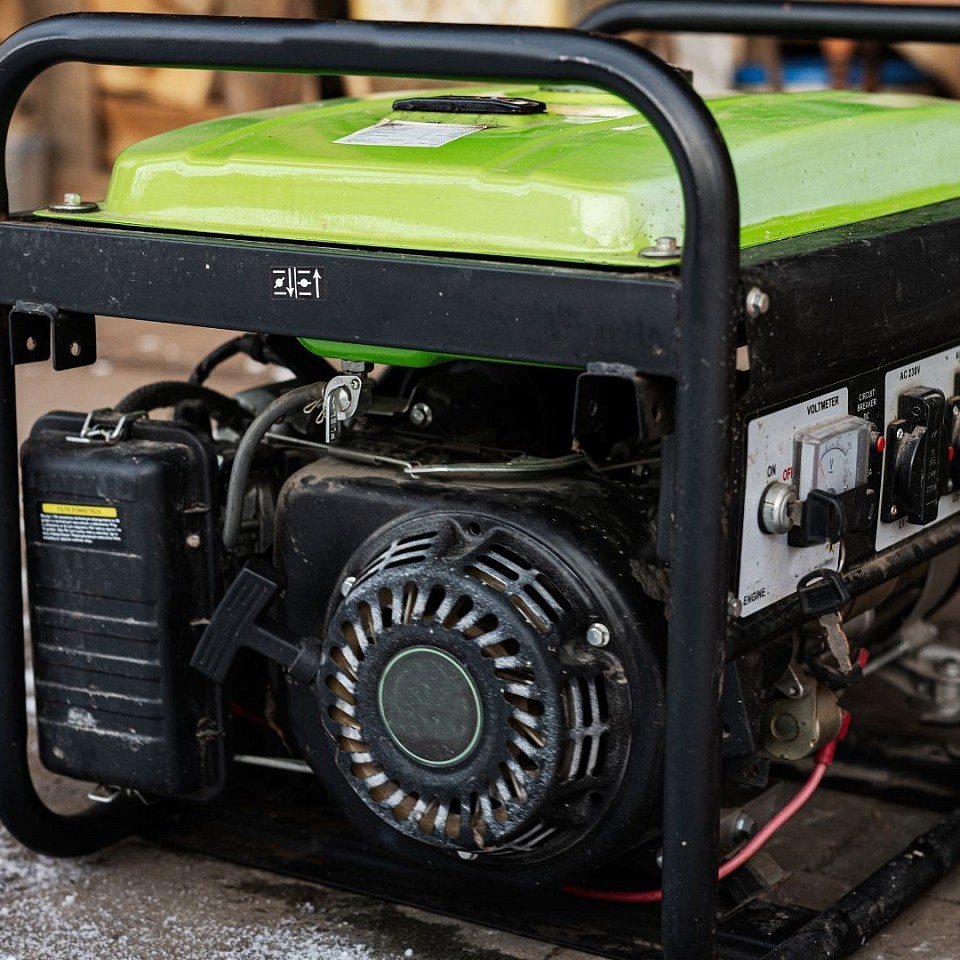
In regions like Suffolk County, where weather can be unpredictable and power outages are not uncommon, having a reliable generator is essential for both homes and businesses. Standby generators provide an immediate solution during electrical outages, ensuring that your critical appliances or business operations continue running smoothly. However, to maintain this reliability, regular generator maintenance is crucial. Here’s why consistent upkeep of your generator should be a priority.
1. Ensuring Operational Reliability:
The primary reason for routine generator maintenance is to ensure that the unit will start and operate correctly when needed. Like any other mechanical system, generators require attention to remain in top working condition. Over time, components may wear out or require adjustments—maintenance checks allow for these issues to be identified and addressed before they lead to larger problems.
2. Extending the Lifespan of Your Generator:
With proper care and periodic servicing, generators can last many years. Neglecting maintenance can shorten the lifespan of your generator significantly due to accumulated wear and tear on parts that could have been easily replaced or repaired if caught early on.
3. Improving Efficiency:
Regular maintenance also means keeping your generator running as efficiently as possible. This includes checking and replacing air filters, changing the oil, inspecting fuel lines for leaks or blockages, and ensuring that all connections are secure. An efficient generator uses fuel more effectively and reduces operational costs over time.
4. Preventing Fuel Problems:
Generators typically run on diesel, natural gas, or propane—all of which can develop problems if a generator sits idle for extended periods between uses. During maintenance visits, technicians check fuel quality and clean components like carburetors to prevent build-up that could impede engine performance.
5. Safety Assurance:
Regular maintenance includes safety inspections to identify potential hazards such as loose wires or corroded elements that could pose fire risks or cause other safety concerns during operation.
Understanding the Importance of Home Generators for Reliable Energy Solutions
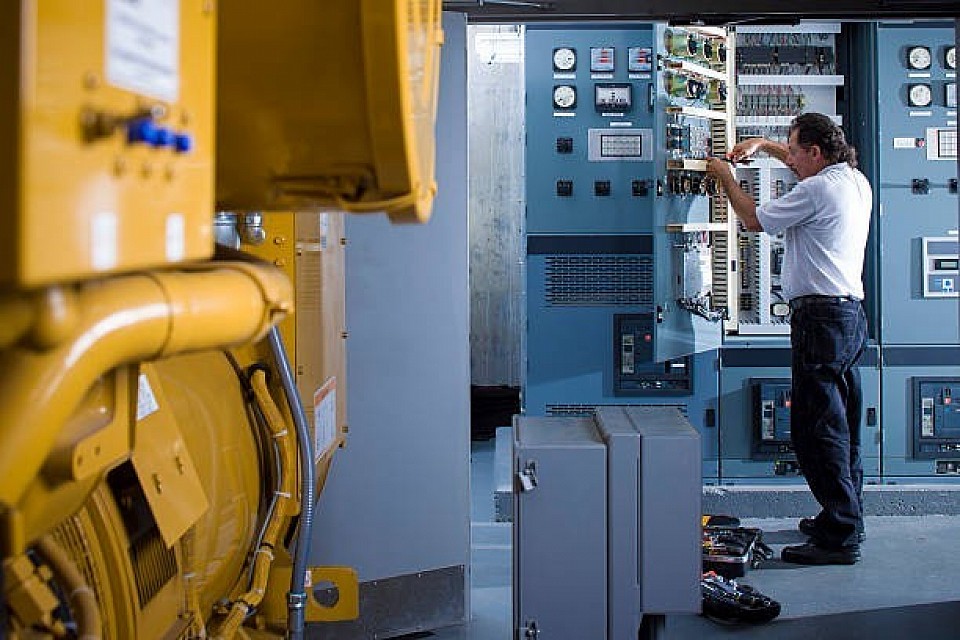
In an age where reliance on electricity has become indispensable, the value of having a dependable power source cannot be overstated. Be it extreme weather conditions or unexpected power outages, the need for continuous electricity to keep our homes and businesses running smoothly is paramount. This is where home generators come into play, providing a steadfast solution to power interruptions. Here’s an overview of what homeowners should know about generator sales, service, repair, and installation.
1. Assessing Your Power Needs
Before investing in a generator, it's crucial to assess your energy requirements. Consider which appliances and systems are essential during an outage – from refrigerators to HVAC systems – and calculate their total wattage. This will help determine the size and type of generator necessary for your home. It's not simply about finding home generators near me; it's about finding the right fit for your specific energy needs.
2. Types of Generators Available
Generators come in various types and capacities, each suited for different applications. Portable generators are often used for temporary solutions or smaller energy needs, while standby generators offer a more permanent and robust solution for whole-house coverage. Standby generators automatically kick in when a power outage occurs, ensuring seamless continuity of electricity.
3. The Installation Process
The installation of a standby generator involves several steps that must adhere to local codes and regulations. It includes site preparation, placement of the unit, connection to fuel sources (natural gas or propane), electrical wiring, and possibly plumbing work if cooling systems are involved. Hiring professionals with expertise in generator installation ensures safe and compliant setup.
4. Regular Maintenance Is Key
To ensure that your home generator operates efficiently when needed most, regular maintenance is crucial. This includes checking oil levels, changing filters, running test cycles, and inspecting components for wear and tear—a well-maintained generator is more reliable during emergencies.
5. Repair Services
Even with diligent maintenance routines, generators may require repairs over time due to regular wear or unforeseen issues. Seeking timely repair services from trained technicians can prevent small problems from escalating into major concerns that could compromise your backup power system's reliability.
Homeowners looking into "home generators near me" should consider these factors when deciding how best to protect their households from unexpected power outages: assessing power needs; understanding different types; considering installation requirements; maintaining their investment; seeking expert repair services as needed—these steps collectively ensure that households remain powered through any electrical interruption with minimum disruption.
Selecting the appropriate generator system tailored specifically for one’s residence requires professional insight—specialists who can provide personalized consultation based on individual preferences will guide you towards an optimal choice that aligns with both functionality expectations as well as budget considerations.
Understanding the Value of a Whole House Generator for Your Home
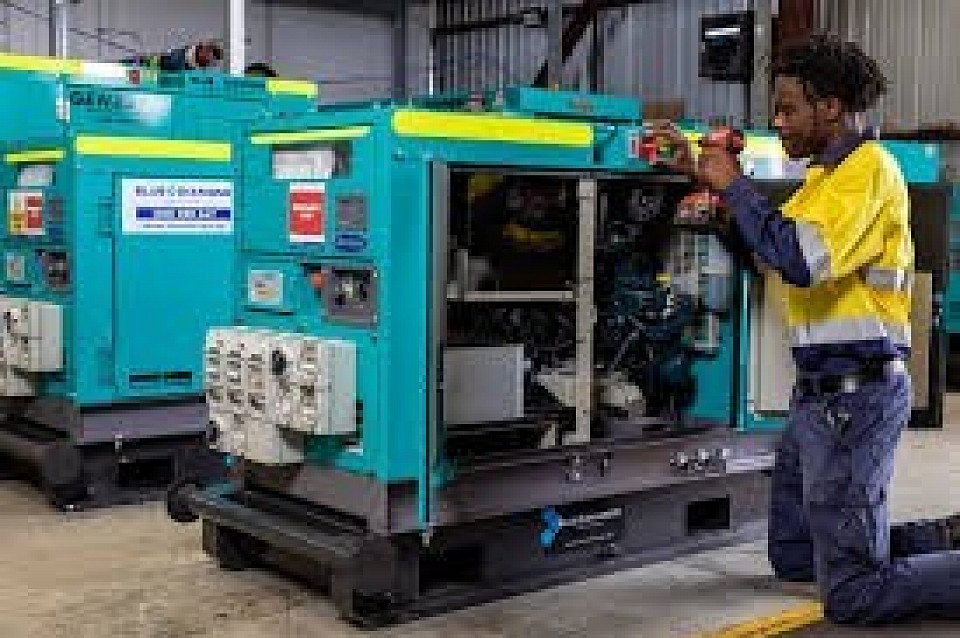
The modern household relies heavily on electricity to function smoothly. From keeping the lights on to ensuring that our food remains fresh in the fridge, a consistent power supply is crucial. However, outages can occur at any time due to weather conditions, accidents, or infrastructure issues. This is where the value of having a whole house generator comes into play. For residents in areas like Deer Park, it's important to consider the peace of mind that comes with knowing your home will remain powered during unexpected blackouts.
Here are several key points to understand why investing in a whole house generator near you might be one of the wisest decisions you could make for your home:
1. Uninterrupted Power Supply
A whole house generator provides an immediate response when there's a disruption in your main power supply. Within seconds of an outage, these generators automatically kick in to restore electricity to your home, ensuring that everything from your HVAC system to your security alarms continues functioning seamlessly.
2. Safety and Comfort
Extended power outages can lead not only to discomfort but also potential dangers, especially during extreme weather conditions. A reliable backup power source keeps critical appliances running – this means heat stays on during winter storms and air conditioning runs during heatwaves, protecting you from temperature-related health risks.
3. Protection Against Surges
When power returns after an outage, it can sometimes surge and cause damage to electronics and appliances. A whole house generator helps regulate the flow of electricity back into your home safeguarding against these potentially costly surges.
4. Increase in Property Value
The addition of a whole house generator is often seen as an upgrade to your property. Potential buyers may find comfort in knowing that the home comes equipped with its own reliable energy source, which can increase its overall market value.
5. Convenience During Outages
During outages, it's inconvenient at best (and hazardous at worst) to fumble around with portable generators or flashlights. With a whole house generator installed by professional service providers who specialize in sales, service, repair & installation; you avoid all these inconveniences as they ensure that every part of your living space has sufficient lighting and power.
6. Customized Solutions for Your Needs
No two homes have identical energy needs; therefore personalized solutions are necessary when considering a backup generator installation—some households may require more wattage based on size or specific medical equipment needs while others may need less.
7. Expert Installation and Maintenance
By working with professionals skilled in generator sales and services like repair & installation ensures safe integration into your existing electrical systems without risk or hassle.
8. Support Local Business Operations
Investing in installations from local businesses not only supports your community but also ensures ongoing maintenance support whenever needed – creating relationships with nearby professional service teams offers convenience and reliability.
In conclusion, if you're contemplating whether "whole house generator near me" is worth investigating further - understanding these points makes it clear just how beneficial such an investment can be for homeowners looking for uninterrupted power supply solutions tailored specifically around their unique requirements.
Understanding the Value of a Whole House Generator for Home and Business
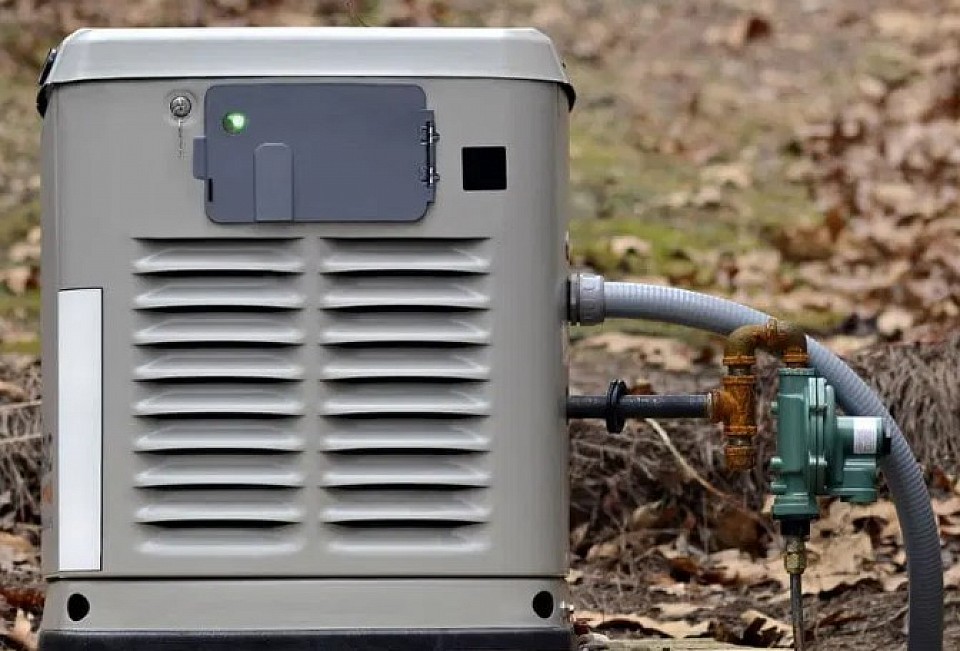
In an age where we are deeply reliant on electricity for our day-to-day activities, the importance of having a reliable power solution cannot be overstated. Whether it's for residential comfort or commercial operations, a whole house generator ensures that life goes on uninterrupted, even during unexpected power outages. Here are several reasons why investing in a whole house generator is not just a luxury but a necessity for both homeowners and businesses.
1. Uninterrupted Power Supply
The primary benefit of installing a whole house generator is the continuous power supply during outages. Power interruptions can occur due to various reasons, including extreme weather conditions, utility failures, or maintenance work. A whole house generator automatically kicks in when the main power grid fails, ensuring that your critical appliances and systems remain operational without any manual intervention needed.
2. Protection of Sensitive Equipment
Today’s homes and businesses are equipped with sophisticated electronics and equipment that are sensitive to power fluctuations. Sudden loss of power can lead to costly damages to these devices. A whole house generator provides a stable power source that protects against such risks, preserving not only your electronic devices but also preventing data loss which could be devastating for businesses.
3. Safety During Emergencies
Emergencies often strike without warning, and having a reliable source of electricity can be lifesaving. In events like natural disasters where medical equipment may be needed or security systems must remain active, having a whole house generator ensures that these crucial services continue functioning effectively.
4. Convenience and Comfort
Power outages can happen at any time and often last for hours or even days. This can disrupt daily routines and affect comfort levels within your home or business premises. With an entire house generator installed by an expert electrical installation service, you maintain your lifestyle as usual without worrying about food spoilage in refrigerators or suffering through uncomfortable temperatures due to HVAC system downtime.
5. Business Continuity
For commercial entities, downtime is synonymous with lost revenue and productivity which can have long-term repercussions on their operations. Industrial equipment suppliers understand the need for consistent power to keep machines running smoothly and ensure deadlines are met without interruption.
6. Customized Solutions
A one-size-fits-all approach does not work when it comes to backup generators; every home or business has unique energy requirements based on size and usage patterns. Professional generator shops offer customized solutions tailored specifically to meet individual needs efficiently while considering factors like load management and fuel options.
7. Professional Installation Services
Electrical installation services are essential in ensuring that your whole house generator is set up correctly for optimal performance when needed most — experts handle everything from site assessment through installation while adhering strictly to safety codes during the process.
8. Aftersales Support
Beyond installation, reliable electric motor repair shops provide ongoing maintenance services vital in keeping generators at peak condition — regular check-ups help identify potential issues before they become significant problems thus prolonging lifespan unit itself.
In conclusion, investing in a dependable whole house generator near you isn't merely about convenience; it’s about safeguarding your home's functionality or business's operational capability against unpredictable electrical disruptions.
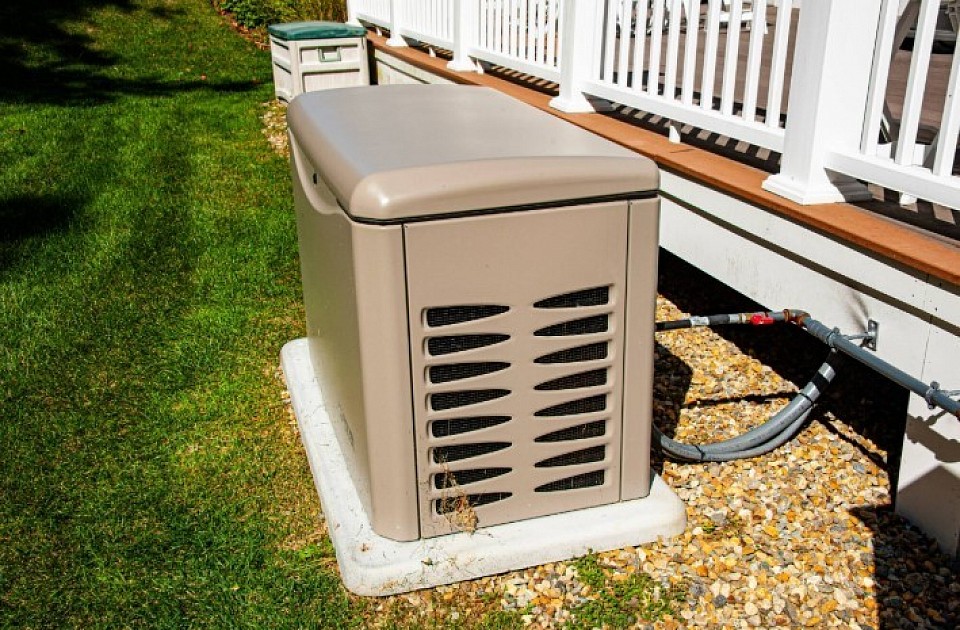
The Importance of Regular Generator Maintenance in Suffolk County
In regions like Suffolk County, where weather can be unpredictable and power outages are not uncommon, having a reliable generator is essential for both residential and commercial peace of mind. Generators provide a critical backup power source that can keep the lights on, maintain climate control, preserve perishable goods, and ensure operational continuity during electrical disruptions. However, to depend on your generator when it matters most requires regular maintenance by skilled professionals. Here are five key aspects to consider when maintaining your generator system.
1. Routine Inspections
Regular inspections are the first line of defense in identifying potential issues with your generator before they escalate into costly repairs or result in unexpected downtime. A thorough inspection includes checking the fuel system for leaks, ensuring battery strength and connection integrity, assessing control panel functions, and verifying that all mechanical components are operating as expected.
2. Scheduled Oil Changes
Just like any motorized equipment, generators require oil changes to keep their engines running smoothly. Over time, engine oil breaks down due to heat and contamination which can lead to reduced lubrication and increased wear on engine parts. Scheduling periodic oil changes is a crucial aspect of Suffolk County generator maintenance to extend the life of your unit.
3. Cooling System Maintenance
The cooling system plays an integral role in preventing overheating and damage to your generator's engine. Proper maintenance involves checking coolant levels regularly, inspecting hoses for signs of wear or leaks, cleaning radiators to avoid clogging by debris, and replacing coolant as recommended by manufacturer guidelines.
4. Fuel System Care
For generators that run on diesel or gasoline, maintaining the fuel system is particularly important due to the possibility of fuel degradation over time. This maintenance step includes removing any water from the fuel tank to prevent microbial growth and corrosion as well as changing fuel filters per service intervals to ensure clean fuel delivery to the engine.
5. Load Testing
Load testing assesses whether your generator can handle its full operating capacity efficiently and safely – an essential check for any standby power system. It's important especially after long periods without use or following repair work. Load testing helps identify potential performance issues under simulated power outage conditions.
For businesses operating industrial equipment or requiring electrical installation services in Deer Park or surrounding areas within Suffolk County, having access to professional generator shop services is invaluable for ensuring continued productivity and safety during power outages.
A reliable electric motor repair shop will have factory-trained technicians who know exactly how each component works together within complex systems – giving them insight into preventive measures that could save you significant costs down the line while also prolonging the life expectancy of your investment into standby power infrastructure.
From an electrical standpoint – regular maintenance by certified experts ensures that all connections are secure; wiring is up-to-code; switchgear functions correctly; automatic transfer switches engage properly when needed; all contributing factors towards a robust emergency power solution ready at a moment’s notice.
The value of ongoing Suffolk County generator maintenance cannot be understated – it's about more than just readiness; it’s about delivering uninterrupted service confidently knowing every aspect has been professionally addressed - from initial setup through each subsequent service interval designed around keeping this crucial piece of infrastructure ready whenever needed most.
